
Are You Still Growing? | 1 Samuel 2 Sermon | Spicewood Baptist
Are You Still Growing? | 1 Samuel 2 Sermon | Spicewood Baptist
Topic: 1 Samuel, 1 Samuel 2, 1 Samuel 2:26, Christian Character, Christian Living, Christian Maturity, Christian Relationships, Christian Stewardship, Church Growth, Church Renewal, discipleship, Eli, Elkanah, Faithful Obedience, Faithfulness, Family, forgiveness, God's Intervention, God's Preferred Future, God's Will, God's Word, Growing in Faith, Growing in Grace, Hannah, Hophni and Phinehas, integrity, Life Change, marriage, Parenting, Personal Transformation, Repentance, Samuel, Spiritual Complacency, Spiritual Decline, spiritual growth, Spiritual Leadership, surrender, Trusting God
Book: 1 Samuel, 2 Peter, Colossians, Hebrews, Luke, Philippians, Romans
Embracing God’s Preferred Future Through Faithful Obedience
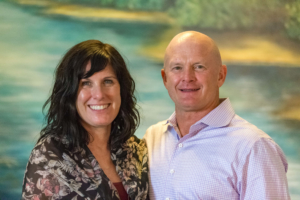
Pastor Ed Kennedy | November 1, 2026
Sermon Series: Dedicated to the Lord
Scripture: 1 Samuel 2:11–26
Is Your Faith Still Growing?
Think back five years. How has your relationship with God changed?
Are you more patient? More forgiving? More willing to trust the Lord when circumstances become difficult? Are your relationships deeper, your character stronger, and your understanding of God’s Word greater than they were before?
Or have you become comfortable with where you are?
In this message from our Dedicated to the Lord sermon series, Pastor Ed Kennedy asks us to consider an important question: Are we continuing to grow spiritually, or have we settled into a comfortable routine?
Through the contrasting lives of Samuel and Eli’s sons in 1 Samuel 2, we discover that spiritual growth is not automatic. It involves responding to God’s intervention, surrendering our own plans, and faithfully following His direction.
God’s preferred future isn’t simply a destination. It is an invitation to grow.
Two Families, Two Very Different Directions
The Faithfulness of Samuel and the Failure of Eli’s Sons
The opening chapters of 1 Samuel tell two stories unfolding alongside one another.
Hannah and Elkanah are learning to trust God’s direction for their family. After years of disappointment and heartfelt prayer, Hannah receives the son she had long desired. She responds by fulfilling her commitment to dedicate Samuel to the Lord.
Samuel begins serving at the tabernacle while still a young boy.
Meanwhile, Eli’s sons, Hophni and Phinehas, are serving as priests but abusing their positions for personal benefit. Rather than honoring God and caring for His people, they take advantage of those who come to worship.
The contrast is striking.
Samuel is growing in faithfulness. Eli’s sons are becoming increasingly corrupt.
One household is responding to God’s purposes. The other is rejecting them.
Both are connected to the worship of God, but their lives reveal very different spiritual conditions.
The lesson: Religious involvement and spiritual maturity are not necessarily the same thing. We can participate in church activities without allowing God to transform our hearts.
God’s Preferred Future Requires His Intervention
Throughout this series, Pastor Ed has emphasized that meaningful change begins with God.
Hannah could not bring about the future she desired through her own strength. She needed God’s intervention.
Likewise, we cannot manufacture genuine spiritual maturity simply by deciding to become better people.
We need God to work in our hearts.
Sometimes His intervention comes through circumstances that challenge us. Sometimes it comes through a difficult relationship, an unexpected disappointment, or a season of uncertainty.
And every time we open Scripture, we encounter God’s revealed direction for our lives.
His Word challenges our assumptions, exposes our selfishness, corrects our priorities, and teaches us how to live.
But receiving God’s direction also requires a response.
Will we obey what He reveals, or will we continue following our own plans?
Four Principles for Embracing God’s Preferred Future
Throughout the preceding messages, Pastor Ed has identified four important responses:
1. Let go of the past.
Release bitterness, regret, resentment, and attitudes that prevent spiritual and relational growth.
2. Be willing to sacrifice beyond what is expected.
Choose generosity, forgiveness, love, and grace even when doing so requires personal sacrifice.
3. Live as an act of worship.
Recognize that our time, relationships, resources, and opportunities belong to God and should be used for His glory.
4. Respond to God’s intervention with faithful obedience.
When God reveals His direction through Scripture and the circumstances of life, trust Him enough to follow.
These principles are not merely steps toward achieving personal goals. They describe the process through which God shapes our character and deepens our relationships.
The Spiritual Growth Chart: 1 Samuel 2:26
One verse stands at the heart of this sermon:
“Now the boy Samuel continued to grow both in stature and in favor with the LORD and also with man.” — 1 Samuel 2:26 (ESV)
Pastor Ed compares this description to a familiar family tradition: marking a child’s height on a doorpost.
Every few months, parents measure how much their child has grown. Looking back at the marks reveals progress that may have been difficult to notice from one day to the next.
What if we could measure our spiritual growth in the same way?
What would our growth chart reveal?
Samuel’s development provides three meaningful areas for reflection.
1. Growing in Stature and Character
Samuel was growing physically, but Pastor Ed also draws attention to the importance of developing personal and spiritual maturity.
As followers of Christ, we should continue becoming people of greater integrity, humility, patience, compassion, and wisdom.
Physical growth eventually slows and stops. Spiritual maturity should remain a lifelong pursuit.
Consider the difference between who you were five years ago and who you are today.
Are you responding to challenges with greater wisdom? Are you more willing to acknowledge mistakes? Have you become more gracious toward others?
God’s work in our lives should produce meaningful changes in our character.
2. Growing in Favor With God
Samuel’s relationship with the Lord was central to his development.
He was learning to serve faithfully, even while surrounded by examples of spiritual corruption.
Our own spiritual growth likewise requires a growing commitment to God’s Word and His direction.
Are we reading Scripture regularly? Are we learning to recognize God’s priorities? Are we becoming more willing to obey Him?
Growing in favor with God does not mean earning His love through good behavior. God’s grace is a gift we cannot deserve.
Rather, as we respond to His grace through faith and obedience, our relationship with Him deepens.
3. Growing in Relationships With Others
Samuel also grew in favor with those around him.
His life was developing a reputation for faithfulness and integrity.
Spiritual maturity should influence the way we treat people.
It should be visible in our marriages, families, friendships, workplaces, and church community.
Are we becoming better listeners? More dependable friends? More patient parents and grandparents? More forgiving spouses?
A growing relationship with God should increasingly shape our relationships with others.
The Danger of Spiritual Complacency
When We Stop Growing
Pastor Ed raises a concern that applies to individuals, families, and entire churches.
Sometimes we reach a point in life where we feel we have arrived.
Perhaps we achieved a career goal, established a family, developed a comfortable routine, or experienced a meaningful season of church growth.
But yesterday’s progress cannot substitute for today’s faithfulness.
When we stop pursuing growth, complacency can begin to take hold.
The story of Eli and his sons illustrates the danger of allowing spiritual decline to become normal.
Their family had become accustomed to behavior that dishonored God. Eli recognized problems with his sons, but his response was inadequate to address the seriousness of their actions.
Meanwhile, Samuel continued growing.
The challenge for every believer is to resist the temptation to settle for yesterday’s spiritual maturity.
God is still at work, and He is still calling us to follow Him.
What About Our Church?
This message also carries an important challenge for Spicewood Baptist Church.
A congregation can celebrate its history while remaining committed to God’s future.
Past faithfulness matters. The sacrifices and service of earlier generations deserve gratitude.
But the church’s mission does not end with what has already been accomplished.
Our community continues to grow and change. Families face new challenges. Neighbors need encouragement, friendship, practical care, and the hope of Jesus Christ.
The question is not simply whether we can preserve what previous generations built.
It is whether we are continuing to grow into the people and church God calls us to be.
Are we deepening our understanding of Scripture?
Are we growing in love for one another?
Are we developing new opportunities to serve?
Are we reaching people who do not yet know Jesus?
Are we willing to change when faithful obedience requires it?
Spiritual growth and a commitment to God’s mission should remain central to the life of our church.
When Difficult Seasons Produce Growth
One of Pastor Ed’s personal observations is that some of his greatest periods of spiritual growth have come during difficult seasons.
Struggles can expose the limits of our own strength.
They can reveal areas where we need to trust God more deeply, surrender control, or depend upon His wisdom.
We do not need to pretend that hardship is enjoyable or that every painful experience is good.
But we can trust that God is able to work in our lives even through difficult circumstances.
Sometimes the seasons we would never have chosen become the seasons in which we learn to depend upon Him most.
Five Questions for Personal Reflection
Take a few moments to prayerfully consider:
- Am I growing in my relationship with God? What evidence of spiritual maturity can I recognize in my life?
- Where have I become comfortable or complacent? Are there areas where I have stopped pursuing growth?
- How am I responding to God’s Word? Am I allowing Scripture to shape my decisions, priorities, and relationships?
- Are my relationships becoming healthier? Am I growing in patience, forgiveness, humility, and love?
- What might God be asking me to change? Is there a step of obedience I have been resisting?
You do not need to have every answer today. Begin by asking God to show you where He is at work and how you can respond faithfully.
Additional Scriptures for Further Study
Luke 2:52 — Jesus’ growth in wisdom, stature, and favor with God and people.
Romans 12:1–2 — Offering our lives to God and being transformed through renewed thinking.
Philippians 1:6 — Confidence that God continues His work in those who belong to Christ.
Colossians 1:9–12 — Growing in the knowledge of God and bearing fruit through faithful living.
2 Peter 3:18 — Growing in the grace and knowledge of Jesus Christ.
Hebrews 5:12–14 — The importance of progressing toward spiritual maturity.
A Prayer for Continued Growth
Heavenly Father, thank You for continuing to work in our lives.
Forgive us for the times we have become comfortable with where we are and have resisted the changes You desire.
Help us recognize Your direction through Scripture. Give us the courage to release the past, the willingness to make sacrifices, and the faith to obey You even when the path ahead is uncertain.
Grow our character, deepen our relationship with You, and strengthen our love for one another.
May we never become satisfied with yesterday’s faithfulness, but continue growing into the people You have called us to be.
In Jesus’ name, amen.
Take the Next Step With Spicewood Baptist Church
Whether you have followed Jesus for many years or are just beginning to explore the Christian faith, we invite you to grow with us.
At Spicewood Baptist Church, we believe that following Jesus is a lifelong journey of learning, worship, service, and meaningful relationships.
Join us for Sunday Bible Study at 9:30 AM and worship at 11:00 AM.
We would love to welcome you and help you discover opportunities to connect, study God’s Word, and grow in faith.
Spicewood Baptist Church — To Know Him and to Make Him Known.
More from Series
-

November 15, 2026
Speaker: Ed Kennedy
Topic: 1 Samuel 2, Biblical Stewardship, Christian Discipleship, Christian Living, consequences of sin, Dedicated to the Lord, Eli and His Sons, evangelism, Faithful Priest, Faithfulness, God's Grace, God's judgment, God's Preferred Future, God's Promises, God's Will, honoring God, Love One Another, Obedience to God, Regret, Renewing the Mind, Repentance, Salvation Through Jesus, Samuel, Serving the Church, Sharing the Gospel, spiritual growth, Spiritual Leadership, Spiritual Transformation, Zadok
Choosing God’s Purposes Instead of the Consequences We Deserve Pastor… read more
-
November 8, 2026
Speaker: Ed Kennedy
Topic: 1 Samuel, 1 Samuel 2, consequences of sin, Contentment, Day of Reckoning, Dedicated to the Lord, Eli, Eli's sons, faith in Christ, forgiveness, God's Intervention, God's judgment, God's Preferred Future, God's provision, grace, honoring God, misplaced priorities, obedience, Repentance, resisting God, salvation, Samuel, sowing and reaping, spiritual compromise, Spiritual Leadership
The Day of Reckoning Embracing God’s Preferred Future by Honoring… read more
-

October 25, 2026
Speaker: Ed Kennedy
Topic: 1 Samuel, Biblical Priorities, Christian Living, Christian Service, dedication, Eli, Faithfulness, Family Faith, forgiveness, God's Guidance, God's Intervention, God's Preferred Future, God's Will, grace, Hannah, Hophni and Phinehas, Letting Go of the Past, Living Sacrifice, obedience, Parenting, Religious Hypocrisy, Romans 12, Sacrifice, Samuel, Selfish Ambition, spiritual growth, Spiritual Leadership, Stewardship, surrender, Tabernacle, Worship
Book: 1 Corinthians, 1 Samuel, Colossians, Luke, Philippians, Romans
A sermon from the Dedicated to the Lord seriesPastor Ed… read more