
The Bible Through the Aramaic Lens | guest Andre Moubarak | March 1, 2026
The Bible Through the Aramaic Lens | guest Andre Moubarak | March 1, 2026
Topic: Aramaic, context, covenant, crisis, Culture, dependence, devotion, Encouragement, Faithfulness, hope, Jerusalem, Jesus, obedience, Old Testament, peace, refuge, relationships, Restoration, spiritual growth, Strength, Trials, war
In this message, guest speaker Andre Moubarak offers a unique perspective on the teachings of Jesus Christ through the lens of Aramaic and Middle Eastern culture. As an Israeli Aramaic Christian raised in Jerusalem, Andre explains how believers in the region understand Jesus’ words about peace, faithfulness, and hope during times of war. Drawing from key Aramaic phrases preserved in the Gospels, he demonstrates how the original language emphasizes relationship, covenant loyalty, and faithful obedience to God even in difficult circumstances.
Key Themes / Takeaways
1. Faith Is Relational, Not Merely Intellectual
In the Semitic worldview of the Bible, faith is not simply agreement with ideas but a life of loyalty, devotion, and obedience to God within a covenant relationship.
2. Scripture Comes From a Middle Eastern Context
The Bible was written primarily in Hebrew and Aramaic before being translated into Greek. Understanding the cultural and linguistic background can deepen our understanding of Jesus’ words.
3. God’s Peace Is Not the Absence of Conflict
Jesus’ promise of peace does not mean a life without hardship. True peace—“schlama” in Aramaic—is wholeness and inner restoration that comes from belonging to God even in the midst of turmoil.
4. Trials Can Become Moments of Spiritual Growth
Using the imagery of the olive press at Gethsemane, the message highlights how difficult seasons in life can deepen faith and strengthen believers’ dependence on God.
5. The Church Is a Refuge During Times of Crisis
In places affected by war, the body of Christ becomes a place of refuge, encouragement, and spiritual strength for believers.
Scripture References
- Gospel of Mark 5:41
- Gospel of Mark 7:34
- Gospel of Mark 14:36
- Gospel of John 14:27
- Book of Psalms 46
- Gospel of Matthew 5
Closing Application
Jesus’ words remind believers that true peace and faithfulness are not dependent on circumstances. Even in times of hardship or conflict, followers of Christ can experience deep peace by trusting God, remaining loyal to Him, and living within the community of His people.
More from Series
-

May 3, 2026
Speaker: Chad Shapiro
Grace After Failure: Finding Peace, Restoration, and Purpose in Christ… read more
-

February 22, 2026
Speaker: Kirk Austin
Short Summary This message explores how believers can find courage… read more
-
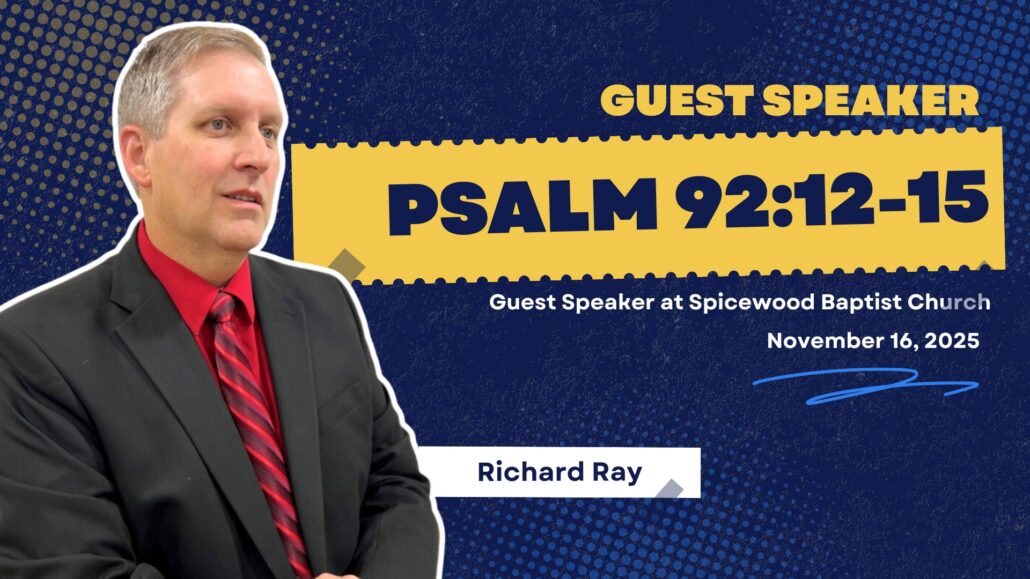
November 16, 2025
Speaker: Richard Ray
Topic: Believers, Encouragement, Faith, Family, flourishing, God's House, grow, Strength
Short Summary In this message from Book of Psalms 92:12–15,… read more